
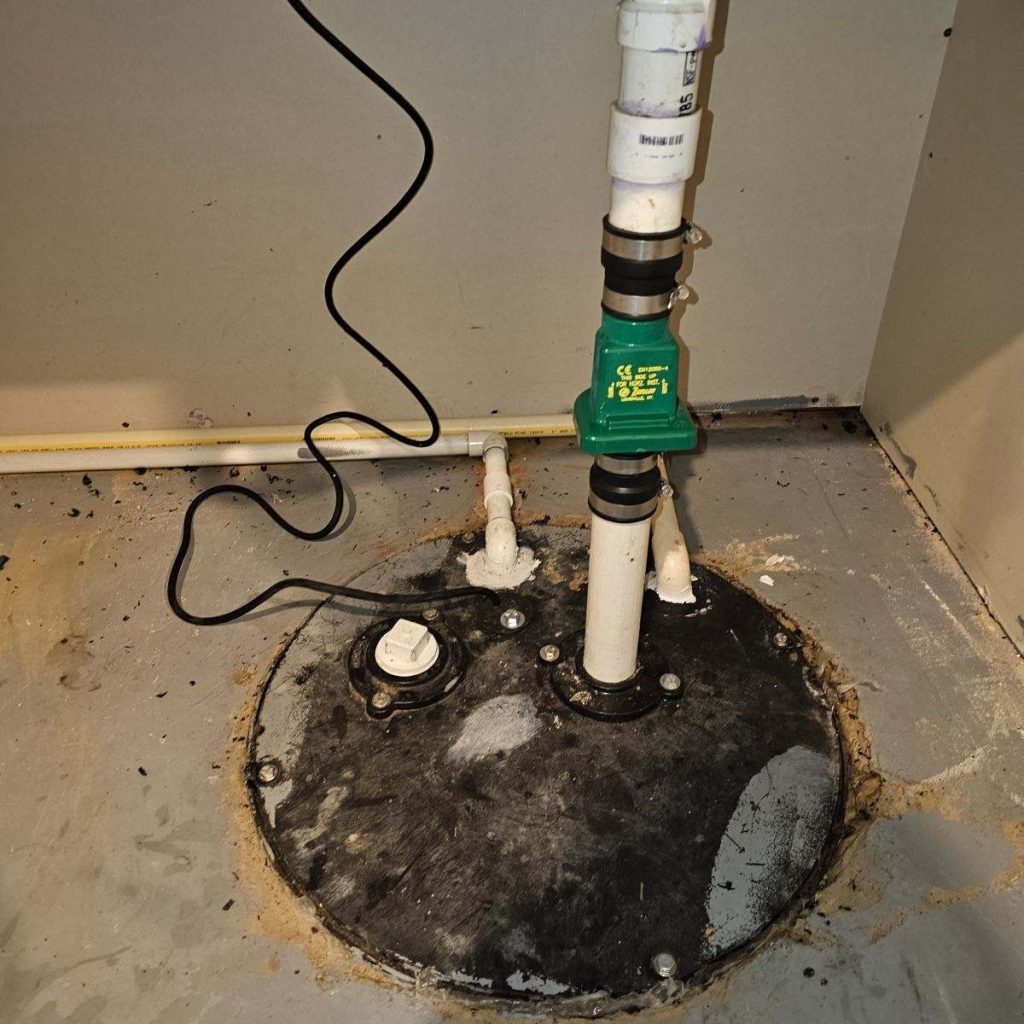
Chelsea, MI, sits in a part of Washtenaw County where spring snowmelt and seasonal storms push significant amounts of water through the ground. For homeowners with basements in the lower-lying areas near the Waterloo Recreation Area corridor or in older neighborhoods closer to downtown Chelsea, a functioning sump pump is not a nice-to-have. It is essential infrastructure. When that pump starts to fail, the consequences can move from minor inconvenience to serious water damage faster than most homeowners expect.
Knowing the early warning signs of a failing sump pump gives you the window to act before a problem becomes an emergency. Our sump pump replacement services are available to Chelsea homeowners who need a fast, honest assessment of whether their unit can be repaired or needs to be replaced entirely.
What Is a Sump Pump and How Does It Work?
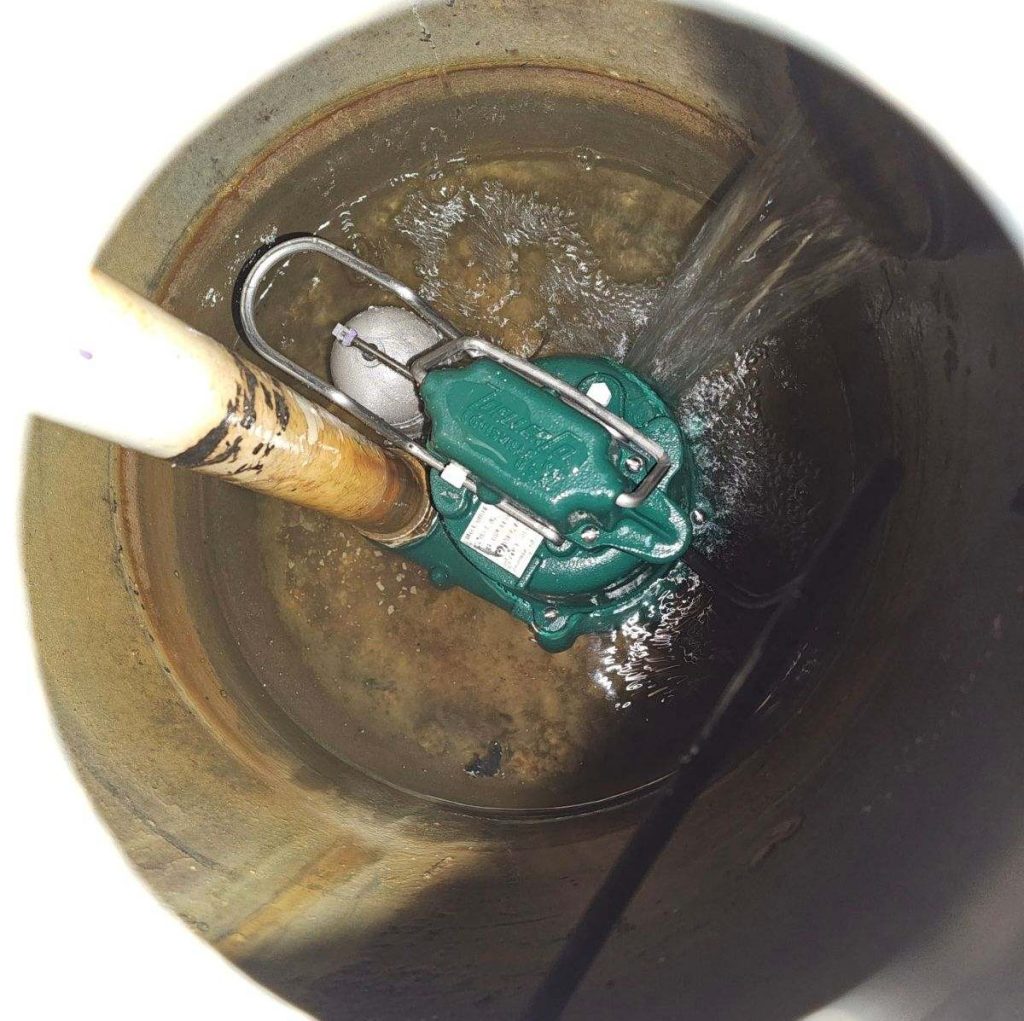
A sump pump is a device installed at the lowest point in a basement or crawl space, typically inside a pit called a sump basin. Its job is to detect rising water levels and pump accumulated water out of the basin through a discharge pipe, directing it away from the foundation before it can cause damage.
Most residential sump pumps are either submersible, sitting inside the basin below the waterline, or pedestal-style, mounted above the basin with the motor elevated above the water. Both types operate via a float switch that activates the pump when water reaches a set level and shuts it off once the basin clears. The system is designed to work automatically, which is exactly why a failing pump can go unnoticed until a heavy rain event reveals the problem.
Regular professional maintenance keeps the float switch, impeller, and discharge line in working order and catches developing issues before they result in a flooded basement.
Sign 1: Unusual Noises Coming From Your Sump Pump
A properly functioning sump pump operates with a relatively consistent, low hum during its cycles. When that sound changes, it is worth paying attention.
Grinding, rattling, clanking, or buzzing sounds coming from the unit are typically indicators of one of the following:
- Grinding or rattling: Often points to debris caught in the impeller, the internal component that moves water through the pump
- Buzzing without activation: May indicate a seized motor or a float switch that is triggering the motor but not allowing it to turn over
- Loud rattling during operation: Can indicate a loose component or a pump that is vibrating against the basin walls due to improper installation or mounting wear
In our service calls throughout Chelsea, unusual pump noise is one of the earliest signs homeowners notice before a unit fails entirely. A noisy pump that is still cycling should be evaluated promptly, as continued operation in a compromised state accelerates the damage.
Sign 2: Your Sump Pump Is Running Constantly
A sump pump should cycle on when the basin fills and off when the basin empties. Continuous operation without a corresponding volume of incoming water is a malfunction, not normal behavior.
The most common causes of a pump that will not stop running include:
- Stuck float switch: The float can become lodged in the raised position due to debris, a twisted tether, or component wear, signaling the pump to stay on even when no water is present
- Clogged discharge line: If water cannot exit through the discharge pipe efficiently, the basin refills faster than the pump can keep pace, keeping it running continuously
- Failed check valve: When the check valve fails, pumped water flows back into the basin as soon as the pump stops, creating a loop that the system can never escape
- High water table: During extended wet periods in Chelsea’s spring season, groundwater can genuinely keep the basin filling at a rate that demands near-continuous operation
The distinction between a pump running because conditions genuinely require it and a pump running due to a mechanical fault matters. A professional evaluation is the only reliable way to determine which situation you are dealing with.
Sign 3: Water Is Flowing Back Into Your Basement
If water that was pumped out is finding its way back into the basement, the discharge system is malfunctioning. This is one of the clearest indicators that something is wrong, and it typically points to one of two issues.
The check valve, located on the discharge line above the pump, prevents backflow when the pump shuts off. When this valve fails, water that has already been removed from the basin flows back through the discharge pipe, refilling it, triggering an unnecessary pump cycle, and reducing the system’s ability to manage incoming water.
The discharge pipe outlet location also matters. If the pipe terminates too close to the foundation, discharged water can drain back toward the home rather than away from it. Proper discharge should direct water several feet away from the perimeter, away from any grade that slopes back toward the structure.
Working in homes across Chelsea and western Washtenaw County, we see backflow issues frequently in systems that have not had a professional inspection in several years. The fix is often straightforward when caught early.
Sign 4: Pooling Water Around the Sump Pump Area
Water collecting around the sump pump itself, rather than inside the basin where it belongs, indicates the system is not containing or discharging water correctly. This can result from a cracked basin, a loose discharge connection, or a pump overwhelmed by the volume of incoming water.
Moisture around the sump area should never be dismissed as normal. Left unaddressed, it contributes to humidity buildup in the basement, accelerates corrosion on the pump housing and any nearby mechanical components, and can eventually seep under flooring or into wall assemblies. Our residential plumbing services include a thorough assessment of the entire sump system, not just the pump unit.
Sign 5: Visible Leaks, Rust, or Strange Odors
Physical signs on the pump unit itself warrant serious attention. Rust or corrosion on the pump housing suggests ongoing moisture exposure that has degraded the exterior, often indicating that internal components have been similarly affected. Visible leaks from fittings or connections on the discharge pipe indicate failed joints that need resealing or replacement.
Strange odors, particularly a musty or sewage-adjacent smell near the sump area, can indicate stagnant water sitting in the basin without cycling out, organic growth inside the basin, or, in some cases, a nearby drain line issue that is being conflated with the sump system. Either way, an odor that was not previously present is a signal worth investigating.
If the pump is more than 7 to 10 years old and shows any of these physical signs, a plumbing inspection from our Chelsea, MI team and a replacement evaluation are the responsible next steps before the next significant rain event.
When to Call a Professional
Any combination of the signs above warrants a professional evaluation rather than a wait-and-see approach. A sump pump that fails during a heavy storm delivers its consequences immediately and without warning. There is no gradual process that gives a homeowner time to act once the unit stops working during a storm. If your sump pump is showing any of these warning signs, reach out to the pros today to schedule an inspection before the next round of Michigan weather puts your basement at risk.
Pumping Up Peace of Mind with Dynamic Drains
A failing sump pump rarely announces itself at a convenient time. The homeowners who fare best are those who recognize early signals and bring in a professional before the unit quits entirely. Dynamic Drains is here to make that process straightforward, honest, and stress-free for Chelsea, MI residents who want their basement protection working the way it should. Contact our team today to schedule your sump pump inspection.