

Drain problems rarely announce themselves all at once. More often, they build gradually, showing small signals that are easy to dismiss until the situation becomes urgent. In Bridgewater, MI, a rural township in western Washtenaw County where many homes rely on private septic systems and well water, drain and sewer issues can escalate quickly when left unaddressed. The combination of older construction, agricultural-area soil conditions, and private infrastructure means that what starts as a slow sink can become a backed-up system in a matter of weeks.
Professional hydro jetting is one of the most effective tools available for clearing the kind of stubborn buildup that causes these symptoms. Here are the six warning signs we see most often in Bridgewater, MI homes that indicate it is time to call in a professional.
1. Slow Drainage Throughout the Home
A single slow drain in one fixture is often a localized clog. When multiple fixtures across the home are draining slowly simultaneously, that is a different situation entirely. It typically points to a restriction in the main drain line rather than an individual branch.
During our service calls throughout Bridgewater and the surrounding western Washtenaw area, slow drainage affecting multiple sinks, tubs, or floor drains simultaneously is one of the most reliable indicators of a significant buildup in the mainline. Grease, soap residue, hair, and mineral deposits accumulate in layers over time, steadily narrowing the pipe’s interior diameter.
Hydro jetting addresses this by delivering high-pressure water through the line, completely stripping buildup from the pipe walls rather than simply punching a temporary hole through a clog, as cable snaking does. The result is a thoroughly cleaned line, not just a partially cleared one.
2. Unpleasant Odors Coming From Your Drains
Foul odors rising from drains indicate that organic material is decomposing somewhere along the line. In kitchen drains, that typically means accumulated grease and food debris. In bathroom lines, the most common culprits are soap scum, hair, and biofilm.
Beyond the unpleasantness, these conditions carry real health implications. Decomposing organic matter in drain lines creates an environment where bacteria and mold can thrive. When those conditions are present, indoor air quality can be affected, particularly in homes where the kitchen or bathroom drains sit close to living spaces.
Persistent drain odors that do not clear up after routine cleaning are a strong signal that the buildup is beyond the reach of standard interventions. Professional hydro jetting clears the source of the odor rather than masking it, restoring clean flow and eliminating the conditions that allow bacteria to accumulate.
3. Frequent Clogs That Keep Coming Back
If the same drain keeps clogging despite repeated clearing, the clog is not actually being cleared. It is being temporarily relieved. This pattern is one of the clearest signs that professional service is needed.
Home remedies like baking soda and vinegar solutions or store-bought chemical drain cleaners are designed for light, superficial buildup. They are not capable of breaking down the dense, compacted accumulations that form in lines over years of use. Repeated chemical treatments can also degrade certain pipe materials over time, creating a problem where none existed before.
Working in homes across Bridgewater Township, our team regularly encounters drains that have been treated with chemicals for months before the homeowner calls. By that point, the underlying buildup is typically more extensive than it would have been with earlier professional intervention. Our drain cleaning services are designed to resolve the root cause rather than repeatedly address symptoms.
4. Gurgling Sounds From Pipes or Fixtures
Gurgling is the sound of air being displaced through water in a partially blocked line. When a drain is functioning normally, water flows freely, and air moves freely through the vent stack. When there is a restriction, water has to force its way past the blockage, pushing air backward through the system and producing that distinctive gurgling noise.
You might hear it in a sink drain after you flush a nearby toilet, or in a floor drain when the washing machine discharges. The specific location of the sound can help a technician identify where in the system the restriction is located.
Gurgling that appears in multiple fixtures or moves around the home is particularly telling. It suggests a systemic issue affecting the system as a whole, not a simple localized clog. Ignoring these sounds typically leads to the next stage: backups.
5. Water Backing Up Into Sinks or Toilets
Water backflow is the point at which a drain problem becomes an immediate priority. When water from one fixture backs up into another, it means the mainline has reached a level of restriction where normal flow is no longer possible. This is not a symptom to monitor. It requires professional attention promptly.
Common scenarios include water rising in the bathtub when the toilet is flushed, or sink water backing up when the dishwasher drains. Each of these points refers to a shared drain line that is severely restricted or blocked.
Backflow also carries a sanitation concern. Sewage-contaminated water entering living spaces creates health risks and requires thorough cleanup in addition to the drain repair. Addressing the warning signs that precede backflow, including the slow drains, odors, and gurgling described above, is always preferable to reaching this stage.
6. Recurring Issues After Standard Drain Cleaning
If a professional has cleared your drain and the problem returned within a short period, that is a signal that the standard method used did not fully address the condition of the line. Cable snaking, while effective for breaking up soft clogs, does not remove the grease film, mineral scale, or root fibers that coat pipe walls and allow new blockages to form quickly.
Hydro jetting goes further. The high-pressure water stream scours the interior of the pipe, removing the residue that causes recurring clogs. It is also effective at clearing root intrusion in the early stages, flushing feeder roots out of the line before they develop into a larger obstruction. A sewer camera inspection is often performed alongside hydro jetting to confirm the line is fully clear and identify any structural issues that may be contributing to the recurring problem.
Why Hydro Jetting Works Where Other Methods Fall Short
Hydro jetting is particularly well-suited to the conditions common in homes in Bridgewater Township. Older lines, private septic connections, and rural properties with tree-lined lots all pose challenges that standard drain-clearing tools are not designed to handle effectively.
The process uses water alone, with no chemical additives, making it safe for the pipe material and the environment. It is effective across a range of pipe types and sizes, and when performed by a trained technician who has assessed the line beforehand, it is safe even for older pipes. The technician will always evaluate the pipe condition before proceeding, ensuring the pressure settings are appropriate for the specific line.
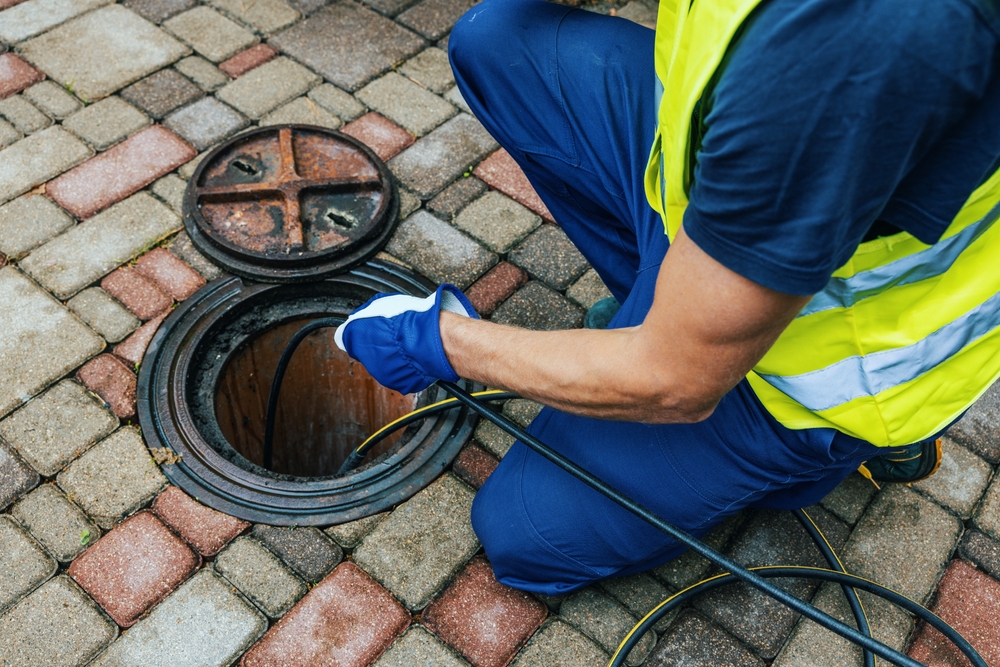
Dynamic Drains Clears What Others Leave Behind
If your Bridgewater, MI home is showing any of these six warning signs, the problem is unlikely to resolve on its own. Dynamic Drains provides professional hydro jetting and comprehensive drain services to homeowners throughout Bridgewater Township and greater Washtenaw County. Our technicians assess the situation honestly, explain the findings clearly, and deliver results that hold. Contact our team today to schedule a drain evaluation and find out whether hydro jetting is the right solution for your home.