
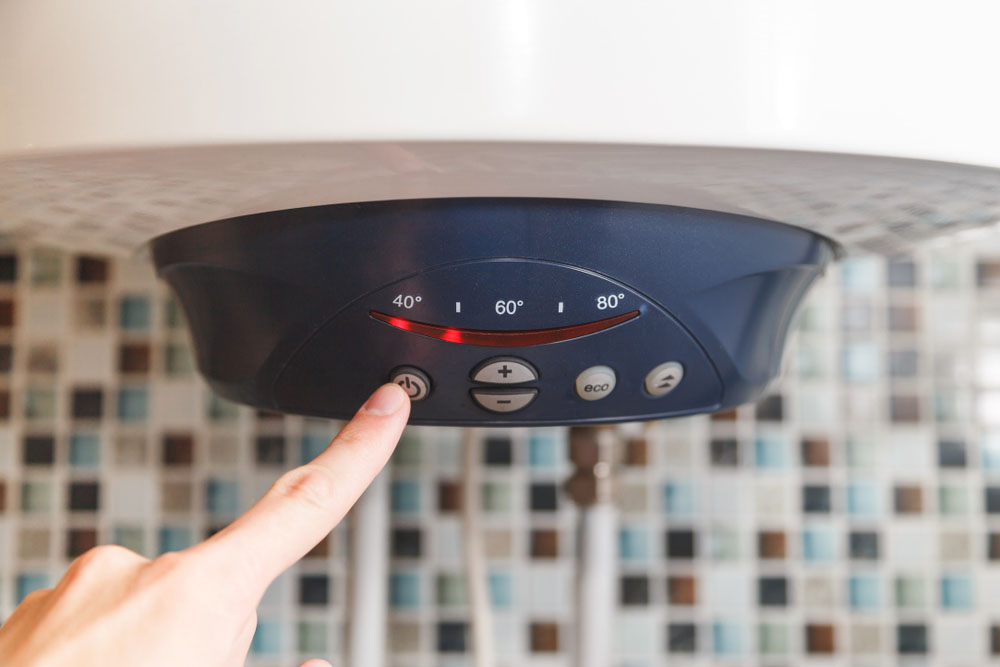

Water heaters are designed to run continuously. That continuous operation ensures hot water is available on demand, but it also means many homeowners assume the unit should never be switched off under any circumstances. In most situations, that assumption is correct. Routinely powering down a water heater to save energy is generally not worth it. The energy savings are minimal, and the repeated cycling of heating elements can accelerate wear on the unit over time.
That said, there are specific situations where turning off the water heater is not just reasonable but the right thing to do. Knowing when those situations apply can protect both the unit and the home.
When the Tank Is Empty
If the water supply to the home has been shut off and the tank has drained or will drain completely, the water heater should be powered down. Running heating elements in a dry tank causes them to overheat rapidly, a condition called dry firing, which can burn out the elements and damage the tank itself.
This situation most often occurs during whole-home water shutoffs for repairs, extended property vacancies, or when the supply line feeding the tank is being serviced. Before restoring power to the unit, confirm the tank has been fully refilled to avoid the same problem on restart.
When the Tank Is Leaking
A leaking water heater requires immediate action. The unit’s power source should be shut off first, followed by the water supply valve feeding the tank. Continuing to run a leaking water heater risks water damage to the surrounding area, accelerated structural deterioration of the tank, and, in the case of electric units, a potential electrical hazard.
A leak does not always mean the unit needs full replacement. Some leaks originate at fittings, valves, or connections that can be repaired without replacing the tank. Our water heater repair and replacement service covers both scenarios, and a professional inspection will clarify which situation you are dealing with before any unnecessary work is done.
When Going on Vacation
For extended absences of a week or more, powering down the water heater is a reasonable precaution. A tank that is continuously heating water for an empty home is consuming energy with no benefit. If a slow leak or fitting failure occurs while the home is unoccupied, an active water heater compounds the damage.
Before leaving, set the unit to the lowest available temperature setting, or switch it to vacation mode if it supports it. Vacation mode maintains a minimal temperature that prevents stagnation and protects against freezing in colder months without running the full heating cycle. Upon returning home, restore normal temperature settings and allow the tank adequate time to reheat before expecting full hot water availability.
For homeowners with a tankless water heater, the situation is different. Tankless units only activate when hot water is called for, so they do not consume energy when no hot water is being used, unlike a storage tank unit. Shutting one off for a vacation is generally unnecessary, though turning off appliances during any extended absence is a reasonable general practice.
When the Unit Shows Signs of a Developing Problem
Beyond the three primary scenarios above, some conditions warrant shutting down the water heater and calling a professional for an evaluation before continuing to use it. These include unusual noises such as popping or rumbling during heating cycles, visible corrosion on the tank exterior or at connections, water with a reddish or metallic discoloration, or a pressure relief valve that is discharging water.
These symptoms do not always require full unit replacement, but they do require professional assessment. Continuing to run a water heater exhibiting these signs can turn a manageable repair into a more serious failure. Our residential plumbing services include water heater diagnostics that give homeowners a clear picture of what is happening and the appropriate next step.
When to Call for Professional Water Heater Service
If the water heater has been shut off due to a leak, unusual symptoms, or an empty tank, restoring it to service without a professional inspection is rarely worth the risk. The underlying cause of the shutdown needs to be identified and resolved before the unit is returned to normal operation.
Attempting to diagnose water heater problems without the right tools or training can result in missed issues that reappear quickly or damage to components that were functioning correctly before the repair attempt. A licensed plumber provides an assessment and repair, with the guarantee that the work will be done correctly.
Keeping the Hot Water Flowing with Dynamic Drains
Knowing when to shut down a water heater and when to leave it running is a small but practical part of responsible home ownership. Dynamic Drains provides professional water heater repair, replacement, and maintenance services to homeowners throughout southeastern Michigan, with honest assessments and dependable artistry on every job. Contact our team today to schedule a water heater inspection or service call.